Introduction to the Cardiovascular System
From the Cardio curriculum
TL;DR
Your cardiovascular system is essential for life, acting as a sophisticated transport network that delivers oxygen and nutrients while removing waste. It's made up of your heart, blood vessels, and blood, all working together to keep your body running smoothly. Understanding this system is key to grasping how your body maintains its internal balance.
1. The Mental Model
Think of your cardiovascular system like a city's public transport system: your heart is the central station, blood vessels are the roads, and blood cells are the buses and trucks, constantly moving passengers (oxygen, nutrients) and freight (waste) around all parts of the city (your body).
2. The Core Material
Your cardiovascular system, also known as your circulatory system, is a closed loop responsible for circulating blood throughout your body. This circulation is vital because it delivers oxygen, hormones, and nutrients to every cell, and carries away waste products like carbon dioxide.
2.1 The Heart: Your Body's Pump

Photo by Andres Ayrton on Pexels
Your heart is a muscular organ, roughly the size of your fist, located slightly to the left of the center of your chest. It's truly a marvel of engineering, pumping about 5 liters of blood every minute, non-stop, for your entire life. It has four chambers:
* Right Atrium (RA): Receives deoxygenated blood from the body.
* Right Ventricle (RV): Pumps deoxygenated blood to the lungs.
* Left Atrium (LA): Receives oxygenated blood from the lungs.
* Left Ventricle (LV): Pumps oxygenated blood to the rest of the body – this is the strongest chamber because it has to push blood the furthest.
Valves between these chambers ensure blood flows in only one direction, preventing backflow.
2.2 Blood Vessels: The Road Network
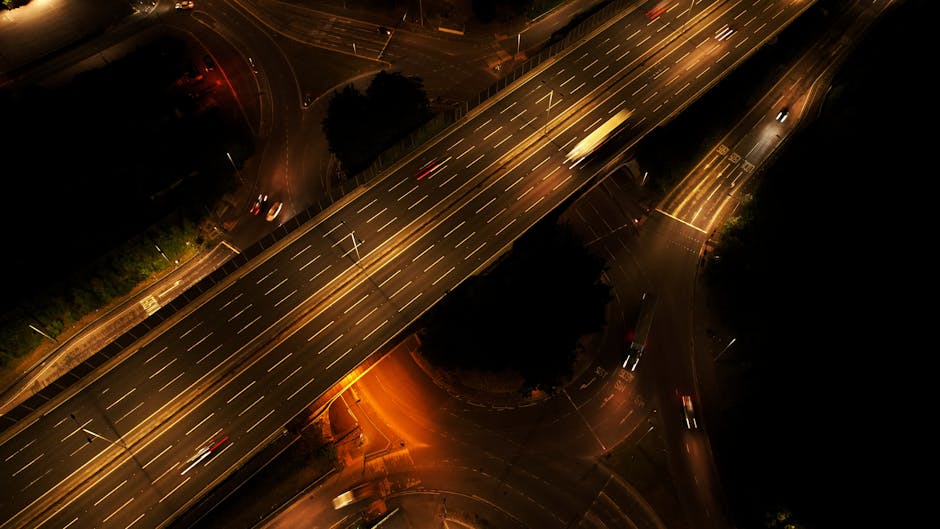
Photo by Altaf Shah on Pexels
Blood vessels are the tubes that carry blood throughout your body. There are three main types:
* Arteries: Carry oxygenated blood away from the heart to the rest of the body (except for the pulmonary artery, which carries deoxygenated blood to the lungs). They're thick and muscular to handle high pressure.
* Veins: Carry deoxygenated blood back to the heart (except for the pulmonary veins, which carry oxygenated blood from the lungs). They have thinner walls and often have valves to prevent backflow as blood returns against gravity.
* Capillaries: These are tiny, microscopic vessels that connect arteries and veins. This
Frequently asked about Introduction to the Cardiovascular System
Study this next
Get the full Cardio curriculum
Clone the complete plan to your dashboard for unlimited AI-generated notes, practice quizzes, and a personalised revision schedule.
Save this course free